

Equine & Canine Osteopathy FAQs
If you are considering osteopathy for your horse or dog, you may have questions about what treatment involves, when it may be appropriate and what to expect. Here are some of the questions we are commonly asked at 4Leg Osteopathy.
What is animal osteopathy?
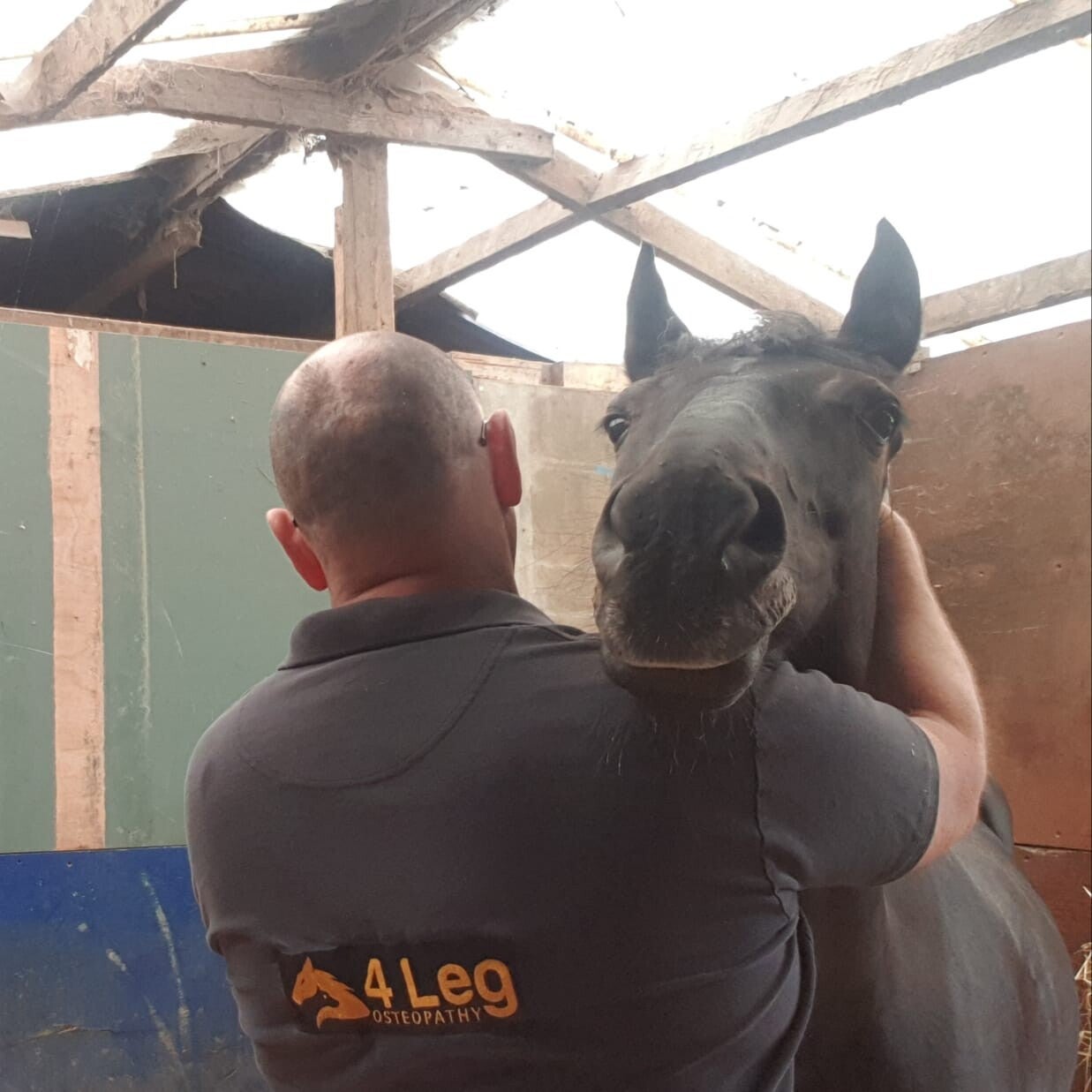
Animal osteopathy is a hands-on approach to assessing and supporting the musculoskeletal system of animals. It considers how the joints, muscles, soft tissues and movement patterns work together.
At 4Leg Osteopathy, treatment is tailored to the individual horse or dog, taking into account their age, activity level, history and current physical needs.
.
What does an animal osteopath do?
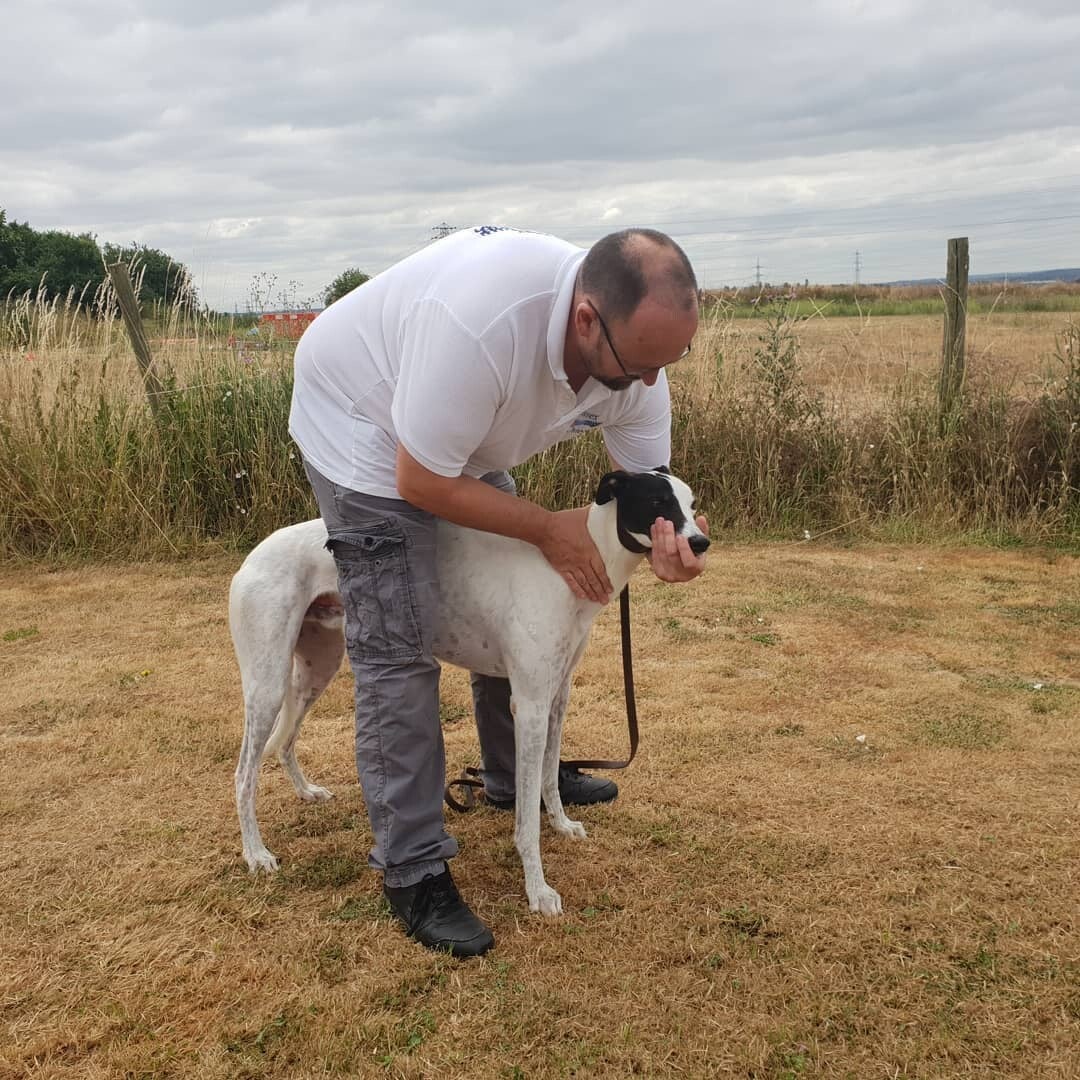
An animal osteopath assesses an animal's movement and musculoskeletal function. This may include observing how the animal stands, walks and moves, followed by hands-on assessment of areas such as the muscles and joints.
Where appropriate, treatment may include soft-tissue techniques, stretching, joint mobilisation and osteopathic manipulative techniques.

What is equine osteopathy?
Equine osteopathy focuses on the musculoskeletal health, mobility and physical function of horses. Assessment considers the whole horse rather than simply concentrating on one particular area.
It can be particularly relevant for leisure horses, working horses and competition horses where mobility and efficient movement are important.
What signs might indicate that my horse could benefit from an osteopathic assessment?
Owners often contact us after noticing a change in the way their horse moves, behaves or performs.
Signs worth investigating may include:
-
Unexplained stiffness
-
Changes in gait or stride
-
Difficulty bending on one rein
-
Reduced performance
-
Changes in head carriage
-
Reluctance to jump
-
Changes during transitions
-
Sensitivity when grooming
-
Changes when being saddled or girthed
-
Unexplained changes in behaviour
These signs can have many different causes. New, significant or unexplained symptoms should therefore be discussed with your veterinary surgeon.
Can equine osteopathy help competition and performance horses?
Osteopathic assessment can form part of the wider physical management of competition and performance horses.
Regular assessment provides an opportunity to monitor mobility, muscle tension and movement patterns, particularly when a horse's workload or training programme changes.
Osteopathy should complement appropriate veterinary care, training, conditioning, saddle fitting, farriery and other aspects of equine management rather than replace them.
What is canine osteopathy?
Canine osteopathy is a hands-on approach to assessing and supporting a dog's musculoskeletal function, movement and mobility.
Treatment is individually tailored and may be suitable for dogs of different ages and activity levels, from family pets to working and sporting dogs.
What signs might indicate that my dog could benefit from an osteopathic assessment?
Changes in your dog's normal movement or behaviour may indicate that further assessment is appropriate.
These can include:
-
Stiffness after resting
-
Changes in walking or running
-
Difficulty getting up or lying down
-
Reluctance to use stairs
-
Reluctance to jump into the car or onto furniture
-
Reduced activity or performance
-
Changes in normal movement
-
Muscle tightness
-
Unexplained sensitivity
-
Changes in normal behaviour
These symptoms are not specific to musculoskeletal problems, so veterinary assessment may be required, particularly when symptoms are new, persistent or worsening.
Can older dogs and horses have osteopathic treatment?
Age alone does not necessarily prevent an animal from receiving osteopathic treatment.
Older animals can experience changes in mobility, flexibility and activity levels. Assessment and treatment can be adapted to the individual animal, with gentler techniques used where appropriate.
Veterinary advice should be sought where there is an underlying medical condition or a new change in an older animal's health or mobility.
Can osteopathy help an animal with arthritis?
Osteopathy does not cure arthritis. However, where appropriate and as part of a veterinary-led management plan, musculoskeletal therapy may be used to support mobility and physical function.
An animal with suspected arthritis or a significant change in mobility should first be assessed by a veterinary surgeon so that an appropriate diagnosis and management plan can be established.
Can osteopathy be used after an injury?
Osteopathic treatment may sometimes form part of a wider rehabilitation programme following an injury.
The timing and type of treatment will depend on the injury, stage of recovery and veterinary recommendations. Rehabilitation should be coordinated with the veterinary team where appropriate.
Does my horse or dog need veterinary consent before osteopathic treatment?
For remedial musculoskeletal treatment, current UK guidance places osteopathy within the veterinary-led team. The animal should be registered with a veterinary surgeon, and remedial manipulative treatment requires veterinary delegation following veterinary examination.
Maintenance musculoskeletal care for a healthy animal is treated differently, although the animal should still be registered with a veterinary surgeon. If signs of possible injury, disease or pathology become apparent, maintenance treatment should stop and veterinary assessment should be sought.
If you are unsure, please contact us and we can explain what is required before your appointment.
What happens during an animal osteopathy appointment?
An initial appointment normally begins with a detailed history. This may include previous injuries, veterinary treatment, current concerns, activity levels and any changes noticed by the owner.
The animal may then be observed standing and moving before a hands-on musculoskeletal assessment is carried out.
Findings and appropriate treatment options will be discussed with the owner before treatment proceeds.
What techniques are used in animal osteopathy?
Treatment is tailored to the individual animal and may include techniques such as:
-
Soft-tissue and massage techniques
-
Stretching
-
Joint mobilisation
-
Osteopathic manipulation
-
Trigger-point techniques
-
Other appropriate physical therapy techniques
The techniques selected will depend on factors including the animal's age, presentation, activity level and treatment goals.
How long does an animal osteopathy appointment take?
An initial appointment will generally take longer because a full history, observation and assessment are required before treatment.
At 4Leg Osteopathy, initial appointments are generally around 45 minutes, with follow-up appointments usually around 30–40 minutes.
How many osteopathy treatments will my horse or dog need?
There is no fixed number of treatments because every animal is different.
The number and frequency of appointments will depend on the reason for treatment, the animal's age, activity level, veterinary history, response to treatment and overall management.
Following the initial assessment, we can discuss whether further treatment or periodic assessment is appropriate.
Should my horse or dog have regular osteopathic check-ups?
Some owners choose periodic osteopathic assessments to monitor their animal's mobility and physical function.
This may be particularly relevant for working, sporting and competition animals or animals whose physical demands change throughout the year.
There is no one-size-fits-all treatment schedule. The frequency of assessment should be appropriate to the individual animal.
Is osteopathy suitable for sporting and working dogs?
Osteopathic assessment may be incorporated into the wider physical management of active, sporting and working dogs.
Dogs involved in activities that require running, jumping, rapid changes of direction or repetitive physical activity place considerable demands on their musculoskeletal systems.
Assessment can help monitor movement and physical function alongside appropriate veterinary care, conditioning, training and recovery.
Is animal osteopathy covered by pet or horse insurance?
Some animal insurance policies may provide cover for complementary or musculoskeletal treatment, but policies and requirements vary considerably.
Always check directly with your insurer before beginning treatment if you intend to make a claim. Your insurer may require veterinary referral or authorisation.
Where does 4Leg Osteopathy provide equine and canine osteopathy?
4Leg Osteopathy is based in Stanford-le-Hope, Essex, and provides equine and canine osteopathy across much of Essex and the surrounding area.
Areas covered include Stanford-le-Hope, Thurrock, Basildon, Brentwood, Billericay, Chelmsford, Southend, and surrounding areas.
Please contact us if you are unsure whether we cover your location.
Please note that travelling times and costs can be added to treatment costs.
How do I find an equine osteopath in Essex?
If you are looking for an equine osteopath in Essex, consider the practitioner's professional qualifications, experience, insurance and experience specifically working with horses.
4Leg Osteopathy provides equine osteopathic assessment and treatment across Essex, including Stanford-le-Hope, Thurrock, Basildon, Brentwood, Billericay, Chelmsford, Southend and surrounding areas.
How do I find a canine osteopath in Essex?
When choosing a canine osteopath in Essex, look for an appropriately qualified and insured practitioner with experience assessing and treating dogs.
4Leg Osteopathy provides canine osteopathy for family pets, active dogs and sporting or working dogs across Stanford-le-Hope, Thurrock and the wider Essex area.
Why choose 4Leg Osteopathy?
At 4Leg Osteopathy, we combine professional osteopathic knowledge with over 20 years of clinical experience.
Our aim is to provide individualised, professional care for horses and dogs, working alongside veterinary care where required and helping owners support their animal's mobility, comfort and physical function.
Looking for an Equine or Canine Osteopath in Essex?
If you have noticed a change in your horse or dog's movement, mobility or performance, or would simply like to discuss whether an osteopathic assessment may be appropriate, contact 4Leg Osteopathy today.
We provide equine and canine osteopathy in Stanford-le-Hope, Thurrock and across Essex.